
WOULD YOU LIKE TO
WORK IN JAPAN?
WOULD YOU LIKE TO
WORK IN JAPAN?

What is the “Specified Skilled Worker Program”?
Special Skilled Worker Program“ is a status of residence designed to encourage foreign nationals to play a more active role in Japan. There are two types of Specified Skilled Worker status of residence: type1 and type 2. Type2 status of residence requires more specialized skills than type1.
What is the “Specified Skilled Worker Program”?
“Special Skilled Worker Program“ is a status of residence designed to encourage foreign nationals to play a more active role in Japan.
There are two types of Specified Skilled Worker status of residence: type1 and type 2.
Type2 status of residence requires more specialized skills than type1.
Employment field covered by specified skilled worker
(type1)
Nursing care Building
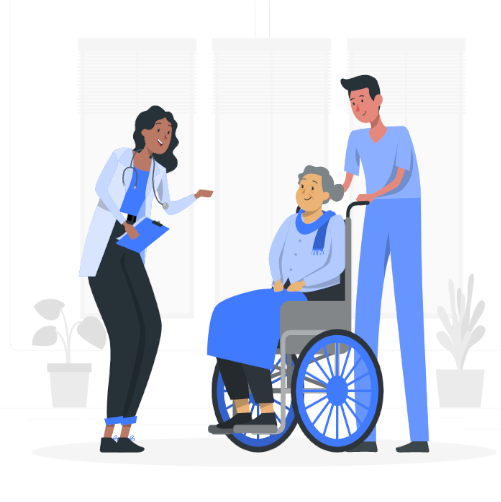
Jobs assisting individuals with their daily activities.
Building Cleaning Management

Jobs maintaining cleanliness and hygiene in commercial or residential structure.
Construction Industry
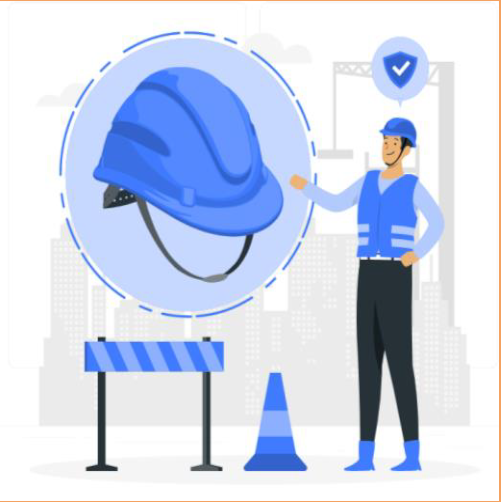
Jobs building, renovating, and repairing structures and infrastructure projects.
Former Machine Parts
and Tooling Industries
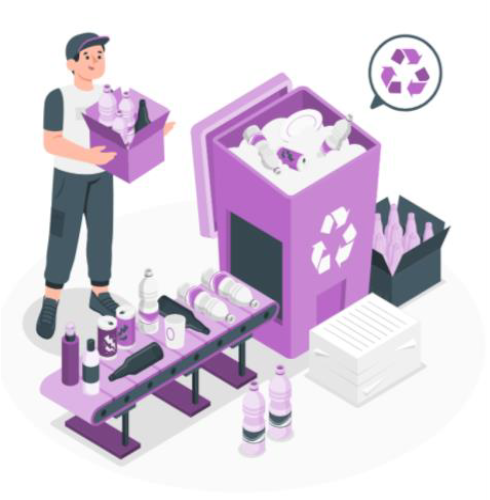
Jobs creating components and assembly of parts, etc.
Shipbuilding and
Ship Machinery Industries

Jobs: Construction and operations related to ships and vessels.
Automobile Repair
and Maintenance
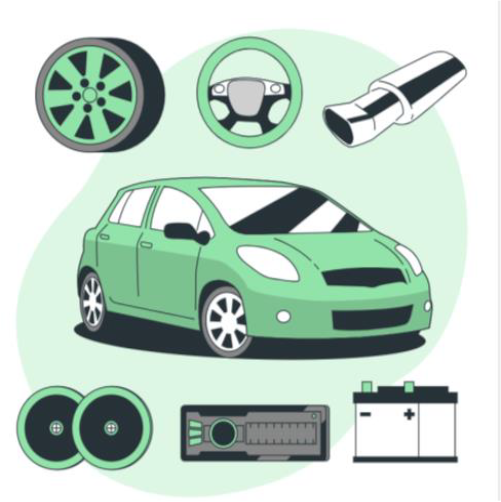
Jobs repairing and servicing
vehicles for optimal performance.
Aviation Industry

Jobs related to aircraft operations,
maintenance, and air transportation.
Accommodation industry

Jobs working at hotel reception
and dealing with guests
Agriculture Industry

Jobs growing and harvesting vegetables and jobs raising animals
Fishery and Aquaculture
Industries
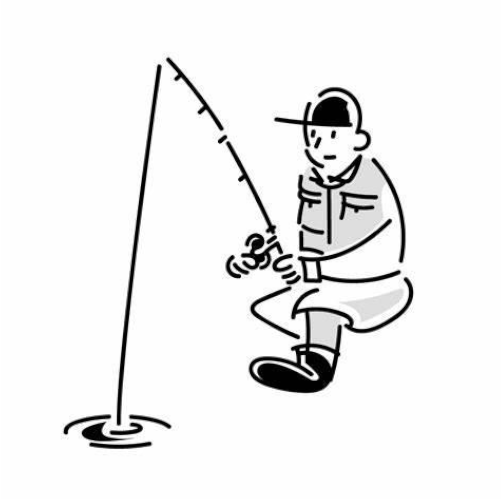
Jobs catching fish and
raising fish.

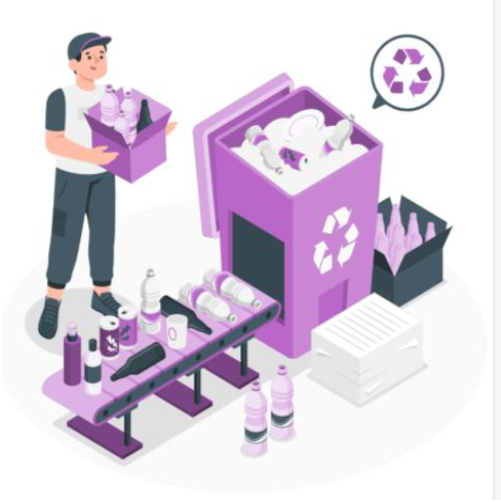
Food and Beverage
Manufacturing
Jobs: Production of edible goods and
beverages.
Food Service
Industry

Jobs: Roles in preparing and
servicing meals at restaurants.
Employment field covered by specified skilled worker
(type1)
Nursing care
Jobs assisting individuals with their daily activities.
Cleaning Management
Jobs maintaining cleanliness and hygiene in commercial or residential structure.
Former Machine Parts and Tools
Jobs creating components and assembly of
parts of tools,
etc.
Construction
Industry
Jobs building,
renovating, and
repairing structures
and infrastructure projects.
Ship building Industries
Jobs: Construction and operations related to ships and vessels.
Automobile Repair and Maintenance
Jobs repairing and servicing vehicles for optimal performance.
Aviation
Industry
Jobs related to aircraft maintenance, and air transportation.
Accommodation industry
Jobs working at hotel reception and dealing with guests
Agriculture Industry
Jobs growing and harvesting vegetables and raising animals
Fish Industry
Jobs catching fish and
raising fish
Food and Beverage Manufacture
Jobs: Production of edible goods and beverages.
Food and beverage Service Industry
Jobs: Roles as kitchen staff or hall staff at restaurants.
Employment field covered by specified skilled worker
(type2)
Construction
Industry
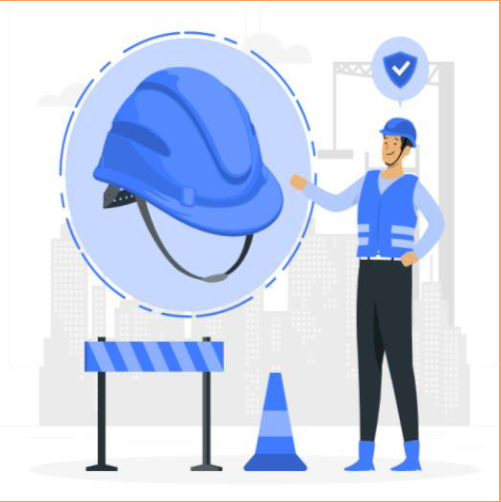
Jobs building, renovating, and
repairing structures and
infrastructure projects
Ship building and Ship
Machinery Industries
Jobs: Construction and
operations related to ships and
vessels.
Employment field covered by specified skilled worker
(type2)
Construction
Industry
Jobs building, renovating, and
repairing structures and
infrastructure projects
Ship building and Ship
Machinery Industries
Jobs: Construction and
operations related to ships and
vessels.
What is the difference between type1 and type2?
Characteristics of type1
- You can work in Japan for a total of five years.
- You cannot bring your family to Japan.
- You can receive the same salary as Japanese workers.
- You can take Japanese language training.
Characteristics of type2
- You can work without a deadline.
- You can bring your family to Japan.
- You need to have higher levels of skills and expertise.
What is the difference between type1 and type2?
Characteristics of type1
- You can work in Japan for a total of five years.
- You cannot bring your family to Japan.
- You can receive the same salary as Japanese workers.
- You can take Japanese language training.
Characteristics of type2
- You can work without a deadline.
- You can bring your family to Japan.
- You need to have higher levels of skills and expertise.
How can you work in Japan?
In order to work under a Specified skied worker status of residence, you need to take and pass the Japanese language and a skills proficiency test. It costs money to take these exams. You can check the website to see what questions will be on the exams.
Information of Japanese exams
How can you work in Japan?
In order to work under a Specified skied worker status of residence, you need to take and pass the Japanese language and a skills proficiency test. It costs money to take these exams. You can check the website to see what questions will be on the exams.
Information of Japanese exams
What documents are required?
In order to apply for the Specified Skilled Worker status of residence, you will need the following documents.
・Application form
→You and your company will figure this out.
・Medical examination report
→You can get this at a hospital.
・Documents related to your pension, health insurance premiums, and taxes
→You can get these from city hall or your company.
・Taxation Certificate and Certificate of Tax Payment.
・Withholding Tax Slip.
・A copy of your National Health Insurance Card.
・National Health Insurance Payment Certificate.
・Documents showing you have passed the relevant tests
・Your resume
*When you prepare these documents, we will provide support for you.
What documents are required?
In order to apply for the Specified Skilled Worker status of residence, you will need the following documents.
・Application form
→You and your company will figure this out.
・Medical examination report
→You can get this at a hospital.
・Documents related to your pension, health insurance premiums, and taxes
→You can get these from city hall or your company.
・Taxation Certificate and Certificate of Tax Payment.
・Withholding Tax Slip.
・A copy of your National Health Insurance Card.
・National Health Insurance Payment Certificate.
・Documents showing you have passed the relevant tests
・Your resume
*When you prepare these documents, we will provide support for you.
What can we do to assist you?
We can provide you with the necessary support to live and work in Japan more easily.
01

Details of your jobs
We will provide details regarding your contact and job requirements before you submit your status of your residence application.
02
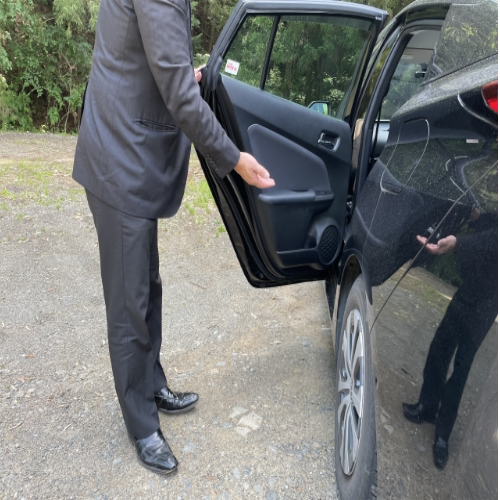
Pick up and drop off
We will pick you up when you arrive in Japan and drop you off when you leave Japan to return to your home country.
03
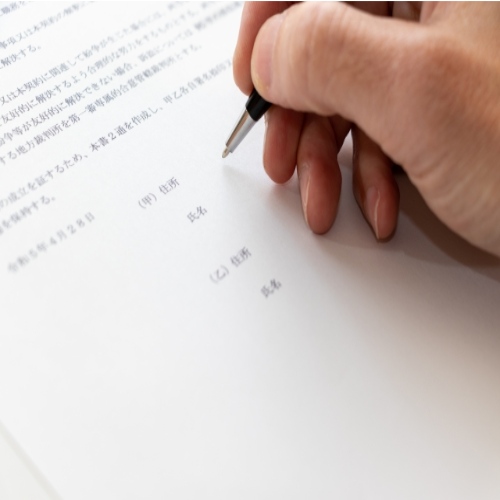
Contact support
We will assist you in preparing your accommodation and arranging utility contacts for electricity and gas.
04
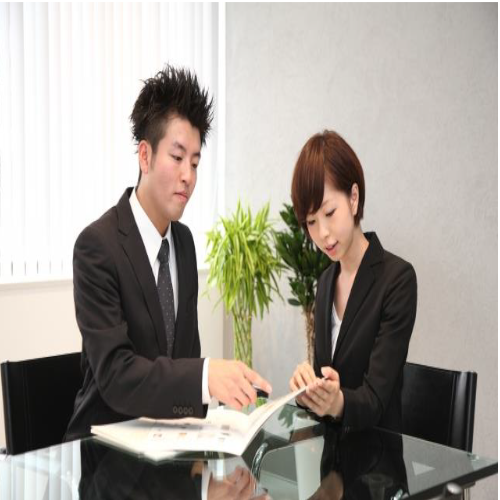
Japan Living Orientation
We will provide instruction on Japanese living rules, etiquette, and transportation, including guidance on using buses and trains. We will also cover earthquake preparedness.
05
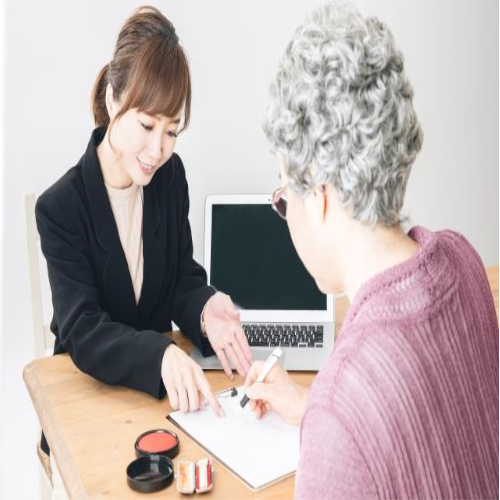
Assisting with administrative procedure
We will accompany you during city hall procedures, tax procedures, and other necessary tasks. We will also assist you in completing the required paperwork.
06
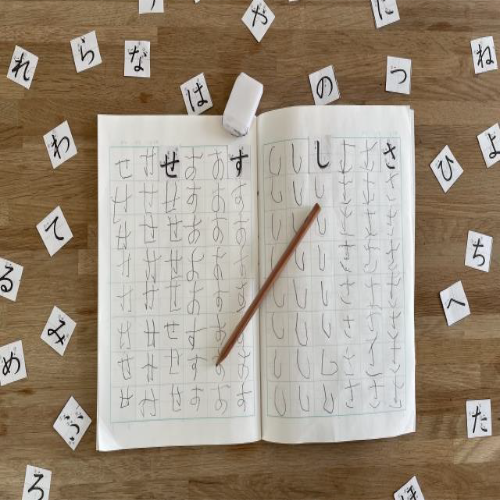
Help you study Japanese
We will help you find a school where you can study Japanese.
07

Holding meetings
We will provide advice and respond to questions in your native language whenever you encounter any issues or have questions.
08

Help you communicate in Japanese
We will offer information about local festivals and arrange opportunities for you to engage in conversations with Japanese locals in your area.
09

Support during Job Transitions
We will provide job search support if the company intends to lay you off.
10
Holding meetings about your jobs
We will conduct regular meetings with you to offer support. We can answer your questions if you have problems with your job.
What can we do to assist you?
We can provide you with the necessary support to live and work in Japan more easily.
01
Details of your jobs
We will provide details regarding your contact and job requirements before you submit your status of your residence application.
02
Pick up and drop off
We will pick you up when you arrive in Japan and drop you off when you leave Japan to return to your home country.
03
Contact support
We will assist you in preparing your accommodation and arranging utility contacts for electricity and gas.
04
Japan Living Orientation
We will provide instruction on Japanese living rules, etiquette, and transportation, including guidance on using buses and trains. We will also cover earthquake preparedness.
05
Assisting with
administrative
procedure
We will accompany you during city hall procedures, tax procedures, and other necessary tasks. We will also assist you in completing therequired paperwork.
06
Help you study
Japanese
We will help you find a school where you can study Japanese.
07
Holding meetings
We will provide advice and respond to questions in your native language whenever you encounter any issues or have questions.
08
Help you communicate
in Japanese
We will offer information about local festivals and arrange opportunities for you to engage in conversations with Japanese locals in your area.
09
Support during
Job Transitions
We will provide job search support if the company intends to lay you off.
10
Holding meetings
about your jobs
We will conduct regular meetings with you to offer support. We can answer your questions if you have problems with your job.
Q&A
Q1. As a technical intern trainee, is it possible to change the residence status to a specified skilled worker during the technical internship problem?
A. Firstly, please complete the technical internship. If there are any special circumstances that prevent you
from continuing the technical internship or any other valid reasons, please consult with the supervising
organization or the Technical Intern Training Program.
Q2. If I change my residence status from “Student” to “Specified Skilled Worker”, what will happen to the residence status of my family members? Do they need to return to our home country?
A. With Specified Skilled Worker Type1, it is not possible to bring family members. However, if your
spouse or children already have a residence status for family stay and are living in Japan, there may be
cases where a change of residence status is permitted.
Q3. Are there any educational requirements, such as graduation from a university or vocational school, for obtaining a residence status under the Specified Skilled Worker program?
A. You don’t need any specific educational background as long as you pass the examination or
successfully complete Technical Intern Training Type2 or Type3. In order to work under the Specified
Skilled Worker program, you must be at least 18 years old.
Q4. Is it possible to work for a different company after starting employment under the Specified Skilled Worker residence status?
A. If it is within the same field, it is possible to work without taking exam. However, if there are no special
reasons such as being unemployed for more than three months after leaving a company or not engaging in
Specified Skilled Worker related activities for more than three months, there is possibility of having the
residence status revoked.
Q5. Can I drive a car in Japan?
A. If you obtain a driver’s license, you will be able to drive. Additionally, we will provide orientation to
explain about life in Japan.
Q6. Can I get permanent residency?
A. The maximum duration of stay under the specified Skilled Worker Type1 residence status is 5 years. Therefore, it is difficult to change to the residence status of permanent resident.
Q7. Is it possible to work part-time if I have the Specified Skilled Worker status of residence?
A. You are not allowed to work part-time.
Q&A
Q1. As a technical intern trainee, is it possible to change the residence status to a specified skilled worker during the technical internship problem?
A. Firstly, please complete the technical internship. If there are any special circumstances that prevent you from continuing the technical internship or any other valid reasons, please consult with the supervising organization or the Technical Intern Training Program.
Q2. If I change my residence status from “Student” to “Specified Skilled Worker”, what will happen to the residence status of my family members? Do they need to return to our home country?
A. With Specified Skilled Worker Type1, it is not possible to bring family members. However, if your spouse or children already have a residence status for family stay and are living in Japan, there may be cases where a change of residence status is permitted.
Q3. Are there any educational requirements, such as graduation from a university or vocational school, for obtaining a residence status under the Specified Skilled Worker program?
A. You don’t need any specific educational background as long as you pass the examination or successfully complete Technical Intern Training Type2 or Type3. In order to work under the Specified Skilled Worker program, you must be at least 18 years old.
Q4. Is it possible to work for a different company after starting employment under the Specified Skilled Worker residence status?
A. If it is within the same field, it is possible to work without taking exam. However, if there are no special reasons such as being unemployed for more than three months after leaving a company or not engaging in Specified Skilled Worker related activities for more than three months, there is possibility of having the residence status revoked.
Q5. Can I drive a car in Japan?
A. If you obtain a driver’s license, you will be able to drive. Additionally, we will provide orientation to explain about life in Japan.
Q6. Can I get permanent residency?
A. The maximum duration of stay under the specified Skilled Worker Type1 residence status is 5 years. Therefore, it is difficult to change to the residence status of permanent resident.
Q7. Is it possible to work part-time if I have the Specified Skilled Worker status of residence?
A. You are not allowed to work part-time.